2026-09-29 ·
Factors Affecting Mold Removal Costs in Wilmington NC Coastal Areas
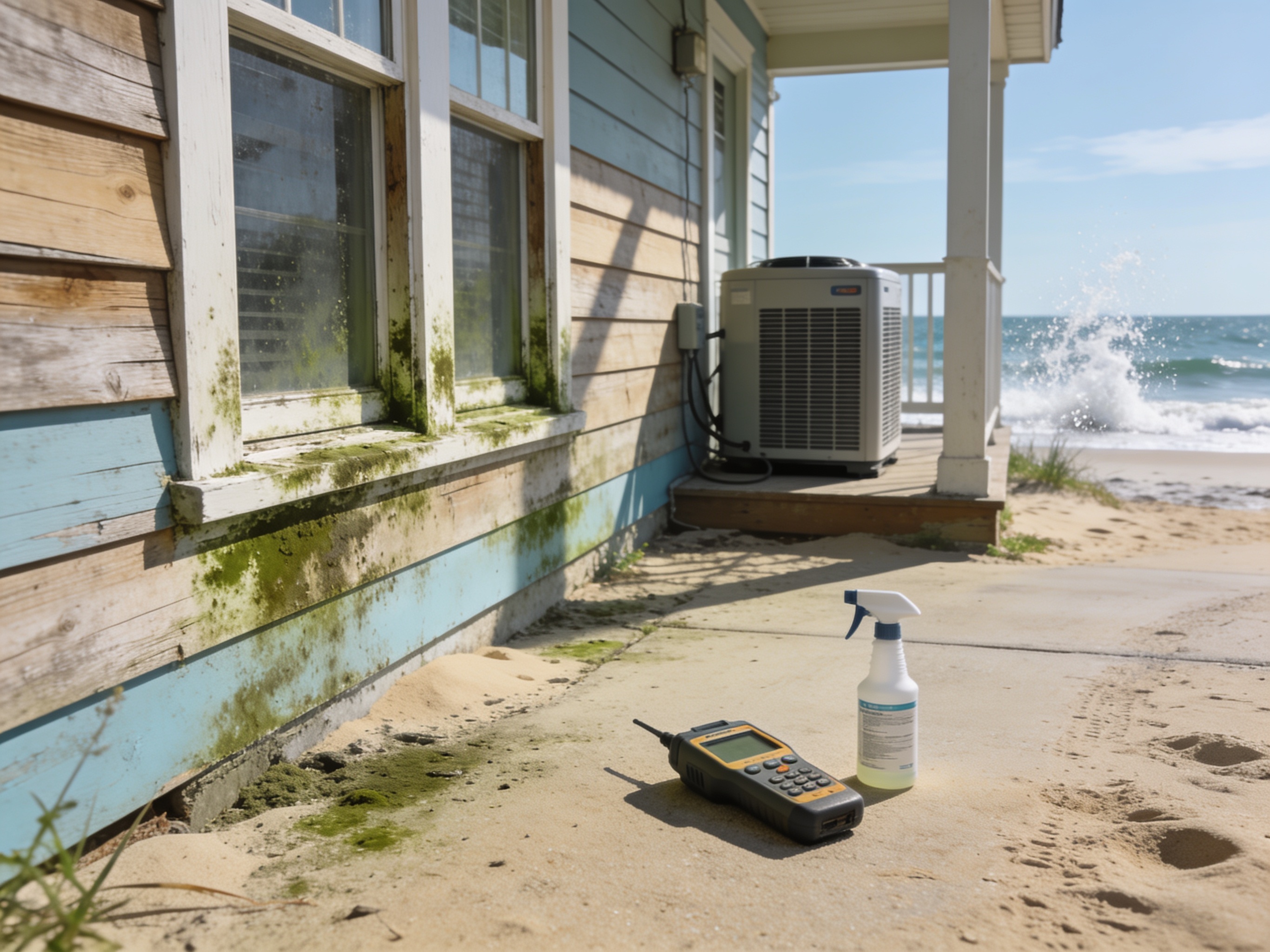
Mold removal costs in Wilmington NC coastal areas typically range from $500 for small contained jobs to $6,000 for widespread attic or crawl space remediation. The final price hinges on infestation size, property access, and how the region's humid subtropical climate with hot summers and mild winters accelerates growth.
Property Size and Infestation Extent
Square footage directly multiplies labor and containment needs. A 200-square-foot patch behind a shower in a Carolina Beach condo might stay under $1,200, while the same mold spreading across 800 square feet in an Ogden crawl space often exceeds $4,000. Technicians calculate linear feet of affected framing and drywall, then add HEPA air filtration and disposal fees. Larger jobs require more negative-air machines and longer setup times, pushing the per-square-foot rate from $10–$15 on small projects to $25–$35 once containment walls and multiple chambers are needed.
Impact of Wilmington's Coastal Climate
The humid subtropical climate with hot summers and mild winters keeps indoor relative humidity above 60 percent for months, allowing mold to colonize insulation and subfloors faster than inland areas. Homes in the Historic District often lack modern vapor barriers, so moisture from the Cape Fear River infiltrates brick foundations year-round. This sustained dampness means remediation crews must run dehumidifiers longer and apply antimicrobial coatings that add $300–$600 to the invoice. Properties near Wrightsville Beach face salt-air corrosion on metal ductwork, requiring extra surface prep before any mold remediation begins.
Accessibility Challenges in Local Homes
Crawl spaces under 24 inches high and steep attic accesses common in Monkey Junction and Masonboro raise labor rates because technicians work in full PPE while hauling equipment through tight openings. Historic District homes with plaster walls and narrow staircases limit equipment movement, extending a one-day job into two. Each added hour of confined-space work adds roughly $75–$100. When mold sits behind original heart-pine flooring, crews must remove and store boards carefully to preserve them, increasing both time and disposal costs.
Type of Mold and Remediation Techniques
Stachybotrys and other water-damage molds found after Cape Fear River flooding demand stricter containment and disposal protocols than common Aspergillus. Mold remediation protocols for these species include full negative-pressure zones and double-bagging of all materials, which can add 30–40 percent to base pricing. Porous materials like carpet padding or drywall are discarded entirely, while hardwoods may be sanded and treated. The choice between removal versus encapsulation depends on wood moisture readings taken on-site.
Professional Inspection and Testing
Accurate pricing starts with a thorough mold inspection that maps moisture sources and hidden growth. Air and surface sampling helps determine whether the entire home or only one room needs treatment. Homeowners in Downtown Wilmington often request clearance testing after remediation to confirm spore counts have returned to outdoor baselines. Mold growth risks in Wilmington homes after Cape Fear River flooding and checking for hidden mold in older Wilmington properties during humid months provide additional guidance on when to schedule these steps before costs escalate.