2026-09-25 ·
Checking for Mold After Cape Fear River Flooding in Wilmington
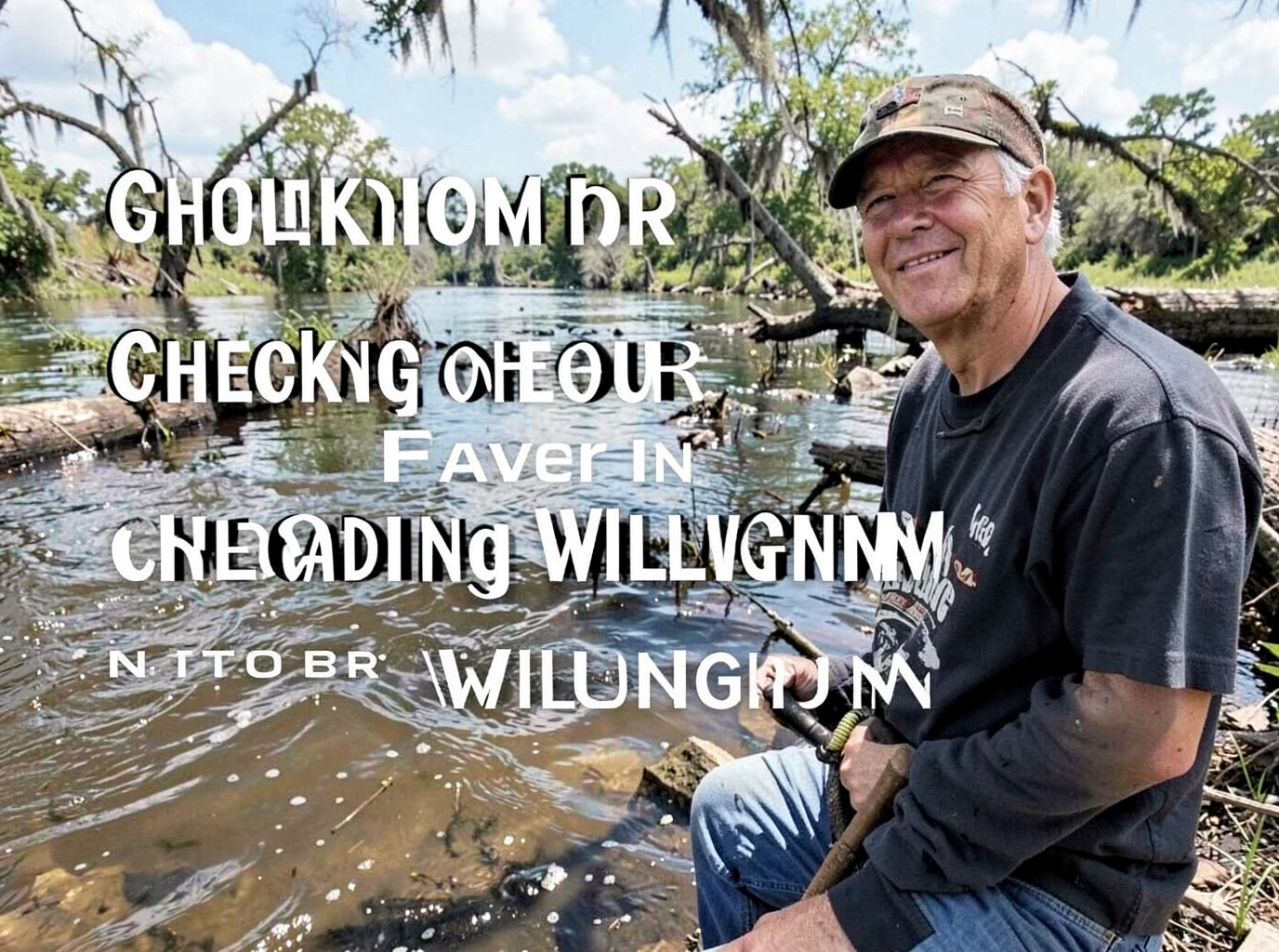
After Cape Fear River flooding, begin checking for mold by examining all surfaces that contacted water within the first 48 hours, focusing on basements, crawl spaces, and wall cavities in older Wilmington homes. Visible discoloration, musty odors, and warped materials signal active growth, especially during hot summers when humidity accelerates spore spread across New Hanover County neighborhoods like the Historic District and Monkey Junction.
Visible Signs in Flood-Affected Areas
Look for black, green, or white patches on drywall, baseboards, and flooring in properties near the Wilmington Riverfront and Cape Fear Riverwalk. In humid subtropical conditions with mild winters, mold can appear on carpet padding and insulation even after water recedes. Check behind furniture and in closets where airflow is limited. Homes in Carolina Beach and Wrightsville Beach often show signs on exterior walls due to repeated storm surges. Count any areas larger than 10 square feet as requiring immediate attention rather than DIY handling.
Inspecting Hidden Spots in Local Homes
Floodwater seeps into crawl spaces and basements common in Ogden and Masonboro properties, where moisture lingers under floorboards. Remove access panels to inspect joists and subfloors for fuzzy growth or soft spots. In pre-1950 Downtown Wilmington houses, examine plaster walls and attic insulation for hidden colonies. Mold inspection points in pre-1950 Downtown Wilmington houses outlines exact locations like window sills and chimney chases that trap water. Use a moisture meter to test levels above 15 percent, which indicates risk in our climate.
Step-by-Step Checking Process
- Ventilate the space safely with fans while wearing an N95 mask and gloves.
- Document all wet materials with photos before removal.
- Cut away and bag drywall sections 12-18 inches above the water line.
- Test HVAC registers and ducts for contamination, as spores travel through systems in hot summer months.
- Monitor for recurring odors over the next 7-10 days. Properties near Airlie Gardens or the USS North Carolina Battleship face similar risks from river overflow, so repeat checks after any heavy rain.
When Professional Help Is Needed
If mold covers more than 10 square feet or returns after drying, contact a local team for mold remediation. Basement mold removal addresses the saturated foundations typical after river events in Monkey Junction. Schedule during business hours Monday through Friday 8am-6pm or Saturday 9am-2pm for assessments. Older homes in the Historic District benefit from targeted crawl space mold remediation to prevent structural damage.
Reducing Ongoing Risks
After initial checks, focus on dehumidification to keep indoor levels below 50 percent, especially in Wrightsville Beach homes during humid summers. Reducing summer humidity in Wrightsville Beach homes details ventilation strategies that complement post-flood drying. Replace affected insulation promptly and seal foundation cracks to limit future water entry from the Cape Fear River. Regular monitoring in flood-prone zones like Downtown Wilmington helps catch issues before they spread.