2026-09-25 ·
Mold Inspection Points in Pre-1950 Downtown Wilmington Houses
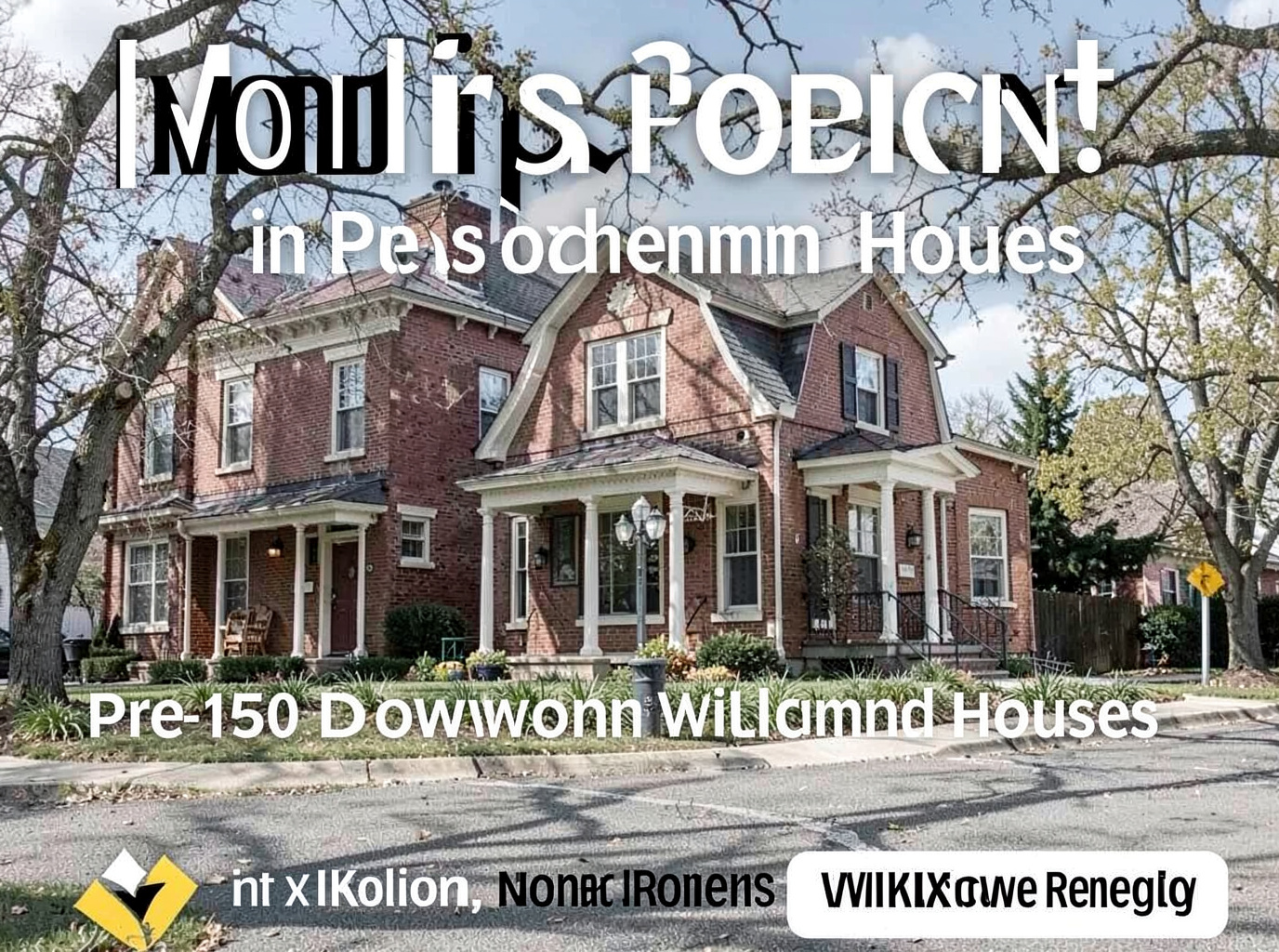
Pre-1950 houses in Downtown Wilmington show mold most often in crawl spaces, attics, and around plumbing penetrations. These locations trap moisture from the humid subtropical climate with hot summers and mild winters, allowing growth on wood framing and insulation before it becomes visible inside living areas.
Crawl Space and Foundation Checks
Pre-1950 homes in the Historic District and Downtown Wilmington commonly sit on brick piers or continuous foundations with dirt floors. Inspectors start here because ground moisture rises through the soil and condenses on cooler joists during summer. Look for musty odors, white fungal growth on sills, and soft spots in subfloor boards. Check ventilation openings for debris that blocks airflow, and note any standing water after heavy rain near the Cape Fear Riverwalk. Document insulation condition and any earth-to-wood contact that developed over decades.
Attic and Roof Penetration Points
Attics in these older houses often lack modern ridge vents, so heat and humidity build up under asphalt or metal roofs. Inspect around chimneys, plumbing vents, and gable ends for daylight or water stains on rafters. Pay attention to areas above second-floor ceilings where roof leaks from past hurricanes have gone unnoticed. Cellulose or fiberglass insulation that appears clumped or discolored signals past wetting. These checks matter because attic mold can drop spores into living spaces through ceiling penetrations common in pre-1950 construction.
Plumbing Runs and Wall Cavities
Original galvanized or cast-iron lines in Downtown Wilmington homes corrode at joints and create slow leaks behind plaster or lath walls. Focus on bathrooms, kitchens, and laundry areas where pipes run through exterior walls exposed to summer humidity. Probe baseboards and floor transitions for softness, and use a moisture meter on drywall near tub and shower valves. Older homes in the area also have sewer lines that settle, allowing vapor to enter wall cavities. Early detection prevents larger remediation needs later.
HVAC Ductwork and Airflow Patterns
Many pre-1950 houses added central air in the 1970s or 1980s with ducts in crawl spaces or attics. Inspect supply and return runs for condensation, especially where metal contacts cooler surfaces during humid months. Dirty coils and clogged drains increase indoor moisture that feeds mold on nearby framing. Check filter access points and any flex duct that has sagged or separated. Proper airflow testing reveals whether the system is pulling humid air from crawl spaces into living areas.
Post-Flood and Seasonal Considerations
Houses near the Cape Fear Riverwalk or in low-lying blocks of Downtown Wilmington experienced repeated flooding events that left hidden moisture in subfloors and wall cavities. Checking for Mold After Cape Fear River Flooding in Wilmington outlines the inspection sequence after storms. Summer humidity also drives growth in poorly sealed attics; see Reducing Summer Humidity in Wrightsville Beach Homes for related local guidance. When growth is confirmed, targeted Mold Remediation addresses the affected assemblies without unnecessary demolition.